
|
Thank you, from the Foods of the World Forums! |
Mexican Gastro Vocabulary for the Kitchen |
Post Reply 
|
| Author | |
Margi Cintrano 
Master Chef 

Joined: 03 February 2012 Location: Spain Status: Offline Points: 6362 |
 Post Options Post Options
 Thanks(0) Thanks(0)
 Quote Reply Quote Reply
 Topic: Mexican Gastro Vocabulary for the Kitchen Topic: Mexican Gastro Vocabulary for the KitchenPosted: 14 March 2012 at 12:09 |
|
For a whole new taste explosion, Lasagne al Forno di Acapulco, a lasagne dish, however, filled with Mexican corn kernels, chili peppers, and Mexican Cheeses. Mexico has changed considerably in the last couple of years. Rivera Maya and Tulum are relatively safe for tourists. Avoid Vera Cruz. Mexico D.F. has enormous business & commercial activities going on, no more dangerous than NYC or any other large metropolis.
** photos to follow.
Written by: Margaux Cintrano
Quesillo of Oaxaca: since this cow variety cheese melts extremely well, it is commonly used to stuff chili peppers and enchiladas. It is often referred to as String Cheese.
 Queso Fresco: this young, fresh, slightly salty cow milk cheese is used to fill quesadillas and for crumbling as a topping for baked dishes and salads.
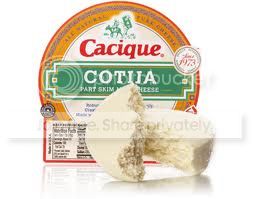
 Cotija: Called queso añejo, this is an aged cow variety with a salty strong aroma. Many street vendors in Mexico, use it as a spread for corn on the cob. It is also used as a finishing topping in baked dishes or on top of stove top stews.
 Ñame: this tuber root is called NAI ME and it is an African tuber unrelated to the sweet potato. It is very common in Brazilian, Cuban, Dominican and other Caribbean countires in addition to the east coast of Mexico. It is served boiled with lime and garlic salsa and in children´s milk shakes.
 Mexican Chorizo ( Mexivan Sausage ): a fresh, uncooked chile pepper and spiced herb pork sausage, commonly used in Mexican regional cuisine. It is also employed in scrambled egg dishes or adding to tacos. To be careful of the deep orange red oil that migrates down one´s sleeve and is impossible to remove ! ).
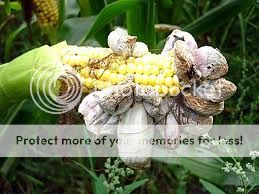
 Huitlacoche: this corn truffle funghus prized by the new school of Mexican Chefs often compare it to the truffle for its complexity. It is typically sautéed and used in: tamales, crêpes, and Mexican soups. Generally one can purchase it fresh, frozen or canned, and can also be called Corn Mushroom, Corn Truffle or Corn Smut.
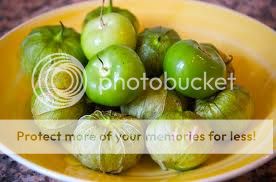
 Tomatillo: This husk covered green tomato is a thick fleshed tart fruit used in Mexico and Guatemala and its prime use is Salsa Verde.
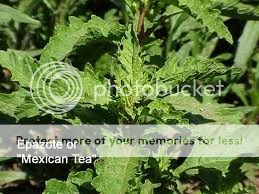
 Epazote: Often considered a nuisance in gardens by North Americans, it is often called Skunk Weed, because of its minty petrol aromas. However, it brings awesomely wonderful aromas of savoriness to legumes / bean dishes in Mexico and Huitlacoche.
 The Bread of Mexico - Tortillas, a popular torte made of either corn flour ( or wheat flour ). They range from 10cm to 20cm. Often called the bread of Mexico, they are very versatile, and are prepared very simply. Originated by the Aztecs the simple ingredients are: corn flour or wheat flour, salt and water.
 Burrito: a burrito is a wheat flour tortilla that encloses beef, refried beans and / or chicken.
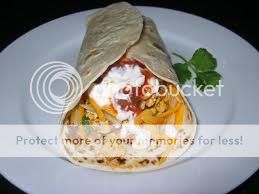 Enchiladas: these corn tortillas resemble a Manicotti or large Cannelloni and they are stuffed with cheese, meat and / or chicken with spices and piquant tomato sauce.
 Fajitas: originally, have been prepared with skirt steak or chicken strips with julienne onion and red, gold and green bell pepper on a cast iron skillet and then served with corn or wheat tortillas, stuffing them at the table.
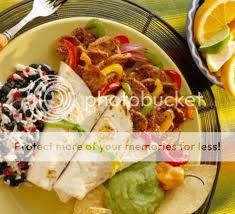 Quesadillas: This is a corn stuffed large circular fritter, sort of a stuffed pizza, that has been fried and filled with cheese, chilies and / or spices with chicken or meat.
 Pozole Rojo = pork and hominy stew. Pozole rojo is a hearty stew prepared with: mint, cilantro, hominy which are the dried chewy corn kernels, oregano, dried chili peppers, clove, and pork ribs.
Hominy is also called Pozole.
( Photo Below ) Aguas Frescas: these 5 fruit waters which are very common in Acapulco and Ixtapa on the Pacific Coast, left to right are:
1) coconut water: the ingredients are: green coconut water and brown coconut with tender white pulp, sugar to taste and lemon on ice.
2) cucumber which is very refresing to palate.
3) strawberry: 3/4 kilo of strawberries with 8 cups water, sugar to taste and ice.
4) Tiger Nut ( a tuber or chufa ) called Horchata ( which is actually not the same as the Valencian indigenious tuber chufa ). This drink is made of blanched almonds.
5) Lemon and Lime
 Common Mexican Chilies ...
1) Serrano = this is generally a moderate to hot chili variety that is used in central Mexico for salsas, sauces and guacamole. It is deep forest green and when mature, a fiery red, turning sweeter not more piquant.
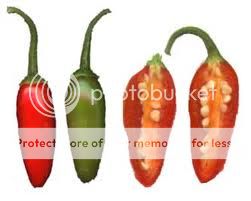 2) Habanero = perhaps once named for Havana, Cuba, this lantern shaped chili is not found in Cuba. Its origins are from the Yucatán Peninsula. Beyond its piquant notes, it possesses flowery undertones that puncuate dishes from the south eastern coast of the Yucátan.
 3) Pulla = a hot fruity, smooth skinned chili pepper and cousin to the Guajillo is often used in Guanajuato, Guerrero and Morelos.
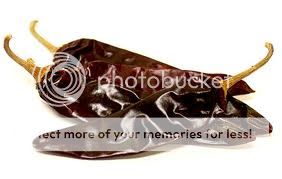 4) Guajillo = called Mirasol ( look at the sun ) and when fresh is one of the most widely used and relatively mild of chili pepper varieties. When it dries to its reddish burnt sienna color, it develops a tart and fruity flavor. Often used in marinades for pork and chicken dishes.
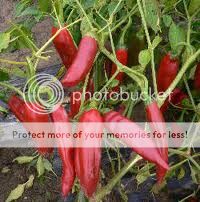 5) Árbol signifies tree in Spanish, and this thin chili pepper variety is red and has a highly peppery yet mild heat and is a favourite for tacos and salsas.
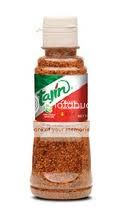
 6) Tajín pronounced " ta heen " ( not tagine or tajine ) Chili Pepper is a mix of chili flakes, lime powder and salt sprinkled on fruits, vegetables and candy in Mexico.
 7) Pasilla = the dried version of chilaca, sometimes called black chili pepper, or chile negro.
More earthy than piquant it is employed in tortilla soup and crumbled as a condiment on many dishes.
 Chili Jalepeño = one of many Mexican chili peppers that is small, compact and possesses a piquantness.
Frijoles Refritos = refried beans. This well known dish hails from the frontier between Mexico and Texas. It is made with: bacon, onion, chili peppers, brown sugar and beef stock. Each ranch or Hacienda has their own recipe.
Huevos Rancheros = eggs with chili peppers, tomato, garlic, onion, corn tortillas and cilantro are the ingredients. This recipe has many takes, and everyone adds or subtracts ingredients according to their own palate.
Mole: This colonial Mexican sauce hails from the 1500s when an important official of Spain´s royalty which governed was coming to visit. The nuns prepared this Mole sauce for Chicken as follows: assorted chili peppers, cloves, garlic, nuts, oregano, nuts, raisins, numerous indigenious herbs, cinammon, a variety of meat varieties and Mexican Black Chocolate.
Antojitas = appetisers, meze or tapas.
Chili con Carne = Red beans and Beef Stew meat. A popular winter dish, the ingredients are: onion, Bay Leaf, cumin, oregano, chili peppers, tomato, garlic and beef stew meat in addition to red legumes.
Margarita = in English, Margarita translates to the flower, Daisy. This popular cocktail is made with: Tequila, lime, Triple Sac, Salting the Rim and fresh fruit can be blended to create a colorful and tasty cocktail.
Tamarindo = Tamarind is a tropical African tree of the bean genre. The edible fruit of this tree, is a pod with an acidic pulp. This pod is used in medicinal treatments by Shamans in Mexico, Brazil and India for stomach ailments.
Achiote = Náhuatl = an Aztec red colorant created from the seeds of the Bixia Orellana. It is common and thus, used in stews throughout Central America.
Náhuatl Ahuacatal = Aguacate = Avocado, and ancient Aztec green fruit with a black wrinkled exterior, called Haas now that they are cultivated for the Hotel Trade and export overseas. The interior of this fruit contains a buttery green yellow creamy texture and contains an enormous pit. Its used to prepare an appetiser called GUACAMOLE. The general recipe varies from region to region however, this is one of the many:
avocado blended with:
garlic
red onion
cilnatro
dry chili or serrano chili diced
tomato
Served with Fritos, which are corn chips ( yellow, blue and white )
Salads with avocado julienne or diced are other common uses. The Mexican black wrinkled Haas comes from a tree called Persea Americana and dates back to the Aztecs ( prior to 1515 ).
Aguyón = cadera in Spanish means hip, and, this cut, which is the Rump in English of an animal used for food purposes is commonplace in Mexico and it is a cut of beef frequently used in Mexican cooking.
Salsa Chilpancingueña: This colonial sauce is made of: chicken livers, sweetbreads, water, onion, garlic, salt, green tomato, green chili peppers, chicken stock, salt and pepper and cilantro.
Abulón Baby: Baby shark from Baja California is served with: Tabasco, capers, basil herb, cilantro herb, chili serrano, vinegar, lemon juice and onion. This is a favorite appetiser in this part of Mexico.
Marlín: This is a species of swordfish common to fine dining in Mexico.
Cebiche Acapulco: Quite different from the Peruvian cousin´s made with lime and shrimp predominately.
Here are the ingredients:
cilantro herb, radish, onion, garlic, EVOO, lime, Fresh Turbot or other firm white wild fish, green olives, capers, Green chili peppers, oregano, piquant chili pepper, catsup or ketchup.
Callo Margarita: This is not the same thing, as the cocktail, a Margarita with Tequila.
Callo Margarita is a lime, onion, cucumber, serrano chili, fresh cilantro, EVOO, salt and peppered salad with avocado and placed aboard a bed of corn tortillas.
Comal: Náhuat Comali is a clay or metal disk used to prepare corn tortillas or to toast coffee or chocolate beans.
Elote: Tender maize consumed in numerous forms throughout Mexico.
Solomillo: Filet Mignon of beef which is honored in Mexico as well as Spain.
Frijoles = Beans of various types and colors.
Guayaba = Psidion Guajava is a tropical fruit, about the size of a large pear with a fabulous aroma and very tiny seeds. It is popular for dessert, soft beverages, cocktails, guayaba paste jelly served with white fresh cheese and baking.
Hierba Santa: This southeastern indigenious herb hails from the plant called Piperácea or Piper Sanctum. It is extraordinairely aromatic, and combines wonderfull with other herbs and shellfish stews or chicken stews.
Huachinango: This is simply Pargo Fish. A reddish rose salt water fish, with lovely firm white flesh, common to Mexico and southern USA. It is greatly treasured baked in oven with white wine and herbs or grilled whole with herbs and EVOO.
Jaiba: a Crab species from the Caribbean of great value to the Mexicans. In Latin, it is called Callinectes and it is very similar to The Swimming Crab in English or Iberian Basque and Galician delicacy, called Necora.
*** to be continued and worked on daily.
|
|
|
Volamos a Mediterraneo, un paraiso que conquista su gente u su cocina.
|
|
 |
|
| Sponsored Links | |
|
|
|
Post Reply
|
|
 Tweet
Tweet
|
| Forum Jump | Forum Permissions You cannot post new topics in this forum You cannot reply to topics in this forum You cannot delete your posts in this forum You cannot edit your posts in this forum You cannot create polls in this forum You cannot vote in polls in this forum |


 Topic Options