Foods done Oddly - a venture into Molecular Gastro
Printed From: Foods of the World Forum
Category: Other Food-Related Topics
Forum Name: Around the Kitchen Table
Forum Discription: A place to discuss general food talk, as well as general techniques for food preparation.
URL: http://foodsoftheworld.ActiveBoards.net/forum_posts.asp?TID=3372
Printed Date: 26 March 2026 at 20:34
Topic: Foods done Oddly - a venture into Molecular Gastro
Posted By: gonefishin
Subject: Foods done Oddly - a venture into Molecular Gastro
Date Posted: 20 March 2013 at 13:44
|
Hi All! I have just been venturing into the world of Molecular Gastronomy. It's an odd world of flavors done lightly, intensified, separate and combined into new forms. I basically have little experience with this stuff, but I'm intrigued about the possibilities...and have just gotten some of the "tools" to start making my food...well, different. Is there anyone else here who has experience into this strange world? Love to hear your stories and see your creations! Dan ------------- Enjoy The Food! |
Replies:
Posted By: gonefishin
Date Posted: 20 March 2013 at 13:49
MALTODEXTRIN http://molecule-r.com/en/content/32-maltodextrin" rel="nofollow -
|
Posted By: TasunkaWitko
Date Posted: 20 March 2013 at 13:52
|
I'm afraid I have no real experience to share, Dan - but I am interested in reading the replies. The only thing I've done that even comes close (and I don't think this really counts) is when I glued two deer roasts together in order to make http://foodsoftheworld.activeboards.net/bresaola-di-cervo_topic3263.html" rel="nofollow - bresaola di cervo :
http://foodsoftheworld.activeboards.net/bresaola-di-cervo_topic3263.html" rel="nofollow - http://foodsoftheworld.activeboards.net/bresaola-di-cervo_topic3263.html
This is a pretty far cry from what you describe in your opening post, but it's the closest thing I have.
------------- If you are a visitor and like what you see, please http://foodsoftheworld.activeboards.net/registration_rules.asp?FID=0" rel="nofollow - click here and join the discussions in our community! |
Posted By: gonefishin
Date Posted: 20 March 2013 at 13:53
|
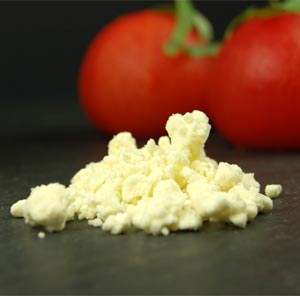
Converting High-fat Liquids into Powder http://www.molecularrecipes.com/techniques/converting-high-fat-liquids-powder/" rel="nofollow - by http://www.molecularrecipes.com Another technique of http://www.molecularrecipes.com/molecular-gastronomy/" rel="nofollow - molecular gastronomy chefs is to convert liquids with high fat content into powder using a specific type of Tapioca Maltodextrin called N-Zorbit M. This type of Tapioca Maltodextrin is derived from tapioca that has been specially designed to have a very low bulk density. It is very light, so be careful when you open the recipient with the Maltodextrin or your kitchen will end up covered in white powder. Tapioca Maltodextrin is used in the food industry to increase the volume of dry mixes and frozen foods. It is moderately sweet or almost flavorless. In molecular gastronomy, Tapioca Maltodextrin is used to stabilize high fat ingredients which can then be transformed into powders. This technique is very easy and will definitely surprise your diners. It is a great way of transforming regular ingredients from liquid or solid into powder to add a new dimension to your dish. The powder melts in your mouth as soon as it gets in contact with your tongue. The sensation is pretty cool. The process of converting a high-fat liquid into powder is very simple. The high fat ingredient should be liquefied first if it is solid, chilled and then mixed with Tapioca Maltodextrin using a starting ratio of 60% fat to 40% Tapioca Maltodextrin. More Tapioca Maltodextrin should be added if necessary. To make the powder fluffier, it is then usually passed through a tamis. These are some example of powders created by molecular gastronomy chefs: http://www.molecularrecipes.com/transformation/olive-oil-powder/" rel="nofollow - Olive Oil Powder http://www.molecularrecipes.com/transformation/dry-caramel-salt/" rel="nofollow - Caramel Powder Nutella Powder Coconut oil Powder Bacon Powder Peanut Butter Powder White Chocolate Powder ------------- Enjoy The Food! |
Posted By: TasunkaWitko
Date Posted: 20 March 2013 at 14:10
|
I've seen this used on a few of the "foodie" competition shows lately, and find it pretty interesting.
I wonder how a "pil-pil powder" would be received? It would certainly change the traditional look of the dish, but perhaps in a good way. That, and/or perhaps chile-and-garlic "caviar" similar to the beer caviar you made during your recent attempt:
http://foodsoftheworld.activeboards.net/the-magic-of-basque-cod-pil-pil_topic3009_post21941.html#21941" rel="nofollow - http://foodsoftheworld.activeboards.net/the-magic-of-basque-cod-pil-pil_topic3009_post21941.html#21941
   ------------- If you are a visitor and like what you see, please http://foodsoftheworld.activeboards.net/registration_rules.asp?FID=0" rel="nofollow - click here and join the discussions in our community! |
Posted By: gonefishin
Date Posted: 20 March 2013 at 14:29
Here's a few examples from my friends house... Reverse frozen Spherification (thin gel with liquid center). This is Sparkling grape juice with carbonated sugar (like pop rocks)   Smoked Salmon with Mango Cilantro Caviar.  Malto, discussed above  Slice of Apple with Peanut Butter Powder  Peanut Butter Powder and Chocolate Powder together - peanut butter cup  This was the homemade lobster ravioli in a Vietnamese broth with Sriracha Caviar. These little things can not only provide a nice texture, but they can provide a big flavor pop as well (depending on what you use)  Zombie Dust is an IPA from 3Floyds brewery. Zombie Dust Caviar  Making the Zombie Dust Caviar  Some salt cod with Zombie Dust Caviar on top That's just a few for now  ------------- Enjoy The Food! |
Posted By: gonefishin
Date Posted: 20 March 2013 at 14:32
You've got the idea Tas! ------------- Enjoy The Food! |
 TasunkaWitko wrote:
Posted By: Margi Cintrano
Date Posted: 20 March 2013 at 14:40
|
Dan. Awesome thread. Though I have not delved into Molecular Gastronomy personally; I had eaten in The Adria Brothers El Bulli prior to its closing 31 july 2011 and in numerous other restaurants employing these techniques .. Albert Adria .. Joan Roca .. Carme Ruscadella .. Quique Dacosta y Paco Roncero in Iberia. In Manhattan, Wylie Defresne' WD and Tom Keller's Per Se. In DC Jose Andres Tapas Bar .. Great thread Keep us posted at Fotw. Margaux ------------- Volamos a Mediterraneo, un paraiso que conquista su gente u su cocina. |
Posted By: gonefishin
Date Posted: 20 March 2013 at 17:05
|
It's kind of neat, Margi. It's like what a nice brunoise can add to the texture of a dish, or when you play with temperature differences on a plate. It can just add that something extra to the flavors and textures of a dish. You really have eaten at some of the nicest restaurants in the world from many of the most respected chefs of the world. It's really quite impressive. I had hoped to someday eat at el Bulli, though his brothers place will certainly do...someday  Have a great day! Dan ------------- Enjoy The Food! |
Posted By: gonefishin
Date Posted: 21 March 2013 at 13:02
|
Making Cold Oil Spherification "Caviar" can provide that nice texture and pop of flavor. With this method the entire "ball" is gel (no liquid center, that's a different technique). You can pick all kinds of different ingredients to treat like this with good results. You can use things like Balsamic Vinegar, Hot sauce, etc...or you can use fresh fruit, fresh herbs...etc...etc. While sometimes you may be going after texture alone, most times big bold flavors are your friend! But, your imagination is the only limiting factor here! All you need for this is some cold oil (canola does fine), a Bbq Syringe, Some Agar and a Small Slotted Spoon. ------------- Enjoy The Food! |
Posted By: gonefishin
Date Posted: 21 March 2013 at 13:03
AGAR-AGAR http://molecule-r.com/en/content/25-agar-agar" rel="nofollow -
|
Posted By: gonefishin
Date Posted: 21 March 2013 at 13:06
|
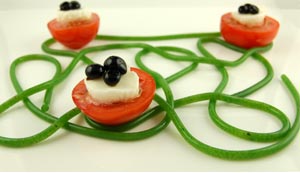
Balsamic Vinegar Pearls Recipe http://www.molecularrecipes.com/gelification/balsamic-vinegar-pearls/" rel="nofollow - by molecularrecipes.com The balsamic vinegar pearls are a simple and fantastic way to add a touch of molecular gastronomy to your dishes. The balsamic vinegar is transformed into small jelly balls using agar agar and the cold oil spherification method. The cold oil spherification method consists of cooling droplets of a hot agar solution below 35 ˚C (95 ˚F) by releasing them in cold oil using a syringe or pipette. Agar agar needs to be heated to boil for jelling and sets at a temperature of about 35-45 ˚C (95-113 ˚F). The droplets need to cool down and set before they reach the bottom of the cold oil container to keep a nice spherical shape.
100 g (7 oz) Balsamic Vinegar 1.5 g (1.5%) Agar Agar Oil Bath 1 cup of oil, cold from being in the freezer for at least 30 min Preparation Start by placing the oil in a tall glass in the freezer for at least
30 minutes. It is better if you use a tall glass so there is more time
for the balsamic vinegar droplets to get cold and gel before reaching Once the oil has been in the freezer for at least 30 minutes, put the balsamic vinegar in a saucepan, dissolve the agar agar and bring it to the boil, stirring constantly with a beater. Take off the heat and skim to eliminate any impurities. Wait a few minutes until the temperature drops to 50-55 ˚C (~120-130 ˚F). If the liquid is too hot, the droplets may not cool down enough and therefore not gel completely before reaching the bottom of the glass resulting in deformed spheres. Fill a syringe with the hot balsamic agar solution and expel it drop by drop into the cold oil. The syringe needs to be high enough for the drops to sink when they get in contact with the oil but not too high or the drops may break into smaller drops creating “baby” spheres. Wait a few minutes and then carefully remove them from the oil bath using a slotted spoon and rinse them in water. You can keep them in a container in the fridge for later use. Serving Suggestions - Serve on salads - Serve on tomato halves Recipe adapted from www.molecule-r.com ------------- Enjoy The Food! |
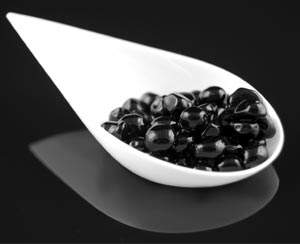 Balsamic Vinegar Pearls Ingredients
 the bottom.
Posted By: TasunkaWitko
Date Posted: 21 March 2013 at 13:07
|
I'm a "staunch" traditionalist when it comes to most foods, but this kind of thing really intrigues me, and I have an avid interest in reading about it or seeing it in action.
The cold oil speherification is probably the one I am most interested in at the moment; if I were going to suspend my peasant-cooking philosophy and try some molecular gastronomy, I do believe that the "caviar" would be my first project!
Keep the information coming ~ it's good stuff for sure!  ------------- If you are a visitor and like what you see, please http://foodsoftheworld.activeboards.net/registration_rules.asp?FID=0" rel="nofollow - click here and join the discussions in our community! |
Posted By: Margi Cintrano
Date Posted: 21 March 2013 at 14:26
|
Dan Gone Fishin,
Awesome thread Dan ... Have enjoyed reading your exemplarily written feature.
I was wondering, what are your views on Ferrán Adrià ?
I had the amazing experience to interview him and taste the 35 dish taster´s carte at the former El Bulli on Costa Brava in a picturesque fisherman´s village called Las Rosas.
This is very in tune / parallel with your well researched article.
One of the dishes we shared was Caviar of Persian Melon and it was absolutely heavenly.
Many of his disciples also employ Nitrogen Liquid and many of the well researched items, you have mentioned in your threads above ...
Truly, wonderful experiences. Chef Joan Roca, chosen by London Restaurant Magazine for the 2nd best restaurant in the world; CELLER CAN ROCA, in GIRONA CAPITAL, CATALONIA; also employs many of these spoken of techniques.
HERE IS A FOTO FROM CHEF JOAN ROCA;
YOGURT, WHITE FLOWER PETALS, COTTON CANDY DESSERT ...
 Margi. ------------- Volamos a Mediterraneo, un paraiso que conquista su gente u su cocina. |
Posted By: HistoricFoodie
Date Posted: 21 March 2013 at 17:15
|
Dan, I'm a little confused. Not surprising....I took high-school chemistry twice, and barely got through it in college. With that proviso: In the background notes you say, "...agar-agar is not soluble in all liquids, but only in water..." That being the case, how does it work when mixed with vinegar? I'm sure I'm missing something. I'm wondering, too, how this would work with watermelon juice. I can see watermelon caviar as an interesting addition to salads. |
Posted By: gonefishin
Date Posted: 21 March 2013 at 17:36
Tas, I'm like you. I really enjoy cooking peasant foods. My friend is the one who got me going into the molecular gastronomy stuff. The Caviar is a great place to start. I think you can bring little bits of molecular side into humble foods...it gives it just a touch of something different. Strange stuff, isn't it... Dan
Thanks for your enthusiasm, Margi! I have certainly heard of Ferrán Adrià, but never had the opportunity to enjoy his food. My friend was actually in Barcelona the last week El Bulli was open, for the Mobile World Congress...but he couldn't get in. He tried to give his name in case anyone canceled, it was worth a try. He did get to eat at Albert Adrià's place. I think this is what actually pushed him over the edge into doing molecular gastronomy himself. He has also gotten the tasting menu at L2O a few times as well. It is certainly a different way of interpreting a dish, conceptually...and then artistically. Ferrán is certainly at the forefront of this category of cuisine. Grant Achazt (Alinea and Next in Chicago) featured http://articles.chicagotribune.com/2011-10-12/features/ct-dining-1013-ferran-adria-20111012_1_el-bulli-great-chefs-staff-meal" rel="nofollow - El Bulli inspired food in his "Next" restaurant for a month...this certainly had to be marvelous. I plan to save up and go to either Next or Alinea in a year or two, should be an awesome experience. My friend has the Nitrogen dispenser, I don't. He has made a number of things successfully with it. Soy Lecithin is another nice one. You use it, and a hand blender to make foams and airs for that nice touch. Margi, Brook...I didn't write the articles above. If you notice I credited each of the correct authors beside the title...and included a link to the authors website.
Hi Brook! Yeah, that is a bit confusing. I didn't write those articles, but you can follow the link provided with them to go to the original content website. "It says agar agar is not soluble in all liquids, but only in water..." I think what they mean is that agar agar is not soluble in all liquids, but you may add water, to some of those liquids, to help the agar dissolve into the solution. Something like that anyways. Balsamic vinegar certainly does work. The Watermelon "caviar" is a great idea as well. One thing you'll want to do when using fruit juice is to reduce it down some...to provide maximum punch in that little "egg". My buddy has also done fresh herbs as well, like cilantro. So I imagine cilantro, basil, mint would all work (oh, we have been focusing on the food side of molecular gastronomy...but it's also used in drinks as well). Hmmm, grapefruit would be another good one. But, remember, you'll want to concentrate the flavors down first. One down note, as far as we have tried...olive oil will not work with any of the normal molecular tricks...at least it will not form into a ball. It does combine with the Malto powder (that we discussed above)...and it makes a very good olive oil powder. I believe you should be ready for that one in a day or two  . .Most of the recipes are written for one packet of agar agar. I usually halve the amounts used, but you can make a decision on that. Once you're ready...I'll make a post with instruction for a caviar. Dan ------------- Enjoy The Food! |
Posted By: Hoser
Date Posted: 22 March 2013 at 00:12
|
Out-freaking-standing thread Dan! As if I didn't have enough to do already....now you've got me interested in all these little "flavor bomb" ideas LOL. It won't be soon, but rest assured I'll be playing with this in the future.  ------------- Go ahead...play with your food! |
Posted By: MarkR
Date Posted: 23 March 2013 at 04:21
|
So Dan, how do you think these little "flavor bombs" would hold up in sausage? Obviously through grinding, but added before stuffing. Like a Summed Sausage with Balsamic bombs in it? Would they withstand the smoking or cooking, or even dry curing? Just thinking out of the sand box again! ------------- Mark R |
Posted By: gonefishin
Date Posted: 23 March 2013 at 06:39
Hoser, it is so cool to hear there is interest in Molecular Gastronomy. I really do think it's something that can be introduced into any type of cooking, it doesn't have to be the spotlight...only a highlight to the main ingredient. But again, if you want to make it the spotlight...by all means ---> do it!
Hey Mark! Like I had said, I have just got into this myself. I like the way you're thinking...as I don't believe there are any rules. Sure, there are methods that will not work in all applications...but I think we're supposed to push those boundaries and find a way to make things work. I don't "think" that they would hold up in sausage well. I'm thinking that they would turn to liquid during the heating process of the sausage...but I do certainly like the idea. I wonder if you slice the sausage into disks, like for an appetizer. Then put some balsamic bombs on top...maybe beside a lesser amount of Thyme bombs...or whatever. While they do last a while, they will break down, so I don't think they would hold up in the sausage that well for smoking or curing. (but now, I just thought of this. Don't forget that you can take some of these smoked meat flavors and turn them into a powder (with the Maltodextrine.) So while you may not be able to put the flavor bombs inside the sausage...you can still find an interesting way to incorporate the flavors) They may hold up to a cold smoke really well, I'm not sure. That's a really fantastic idea!!! ------------- Enjoy The Food! |

Posted By: africanmeat
Date Posted: 23 March 2013 at 09:41
|
This is really amazing last week I ordered the cuisine revolution kit from MOLE COLE from Canada, i play with Molecular Gastronomy for a while and it is fun. this was my first attempt http://www.smokingmeatforums.com/t/117249/hot-chili-caviar it is really fun now i am a waiting for my box of magic . ------------- Ahron |
Posted By: africanmeat
Date Posted: 23 March 2013 at 09:43
------------- Ahron |
Posted By: gonefishin
Date Posted: 23 March 2013 at 10:56
|
Cool Ahron! I was going to post some instruction for some FOTW Flavor Bombs Next Week, can't wait to hear your contributions! Dan ------------- Enjoy The Food! |
Posted By: gonefishin
Date Posted: 27 March 2013 at 14:29
|
Balsamic Vinegar "Bombs" Supplies
Directions
Tips:
What shapes can I make:
What can I use for a liquid?
Dan ------------- Enjoy The Food! |


Posted By: Margi Cintrano
Date Posted: 27 March 2013 at 14:47
|
Dan.
Vanguard ... pheonomenal.
Thanks for posting.
Margaux. ------------- Volamos a Mediterraneo, un paraiso que conquista su gente u su cocina. |
Posted By: africanmeat
Date Posted: 28 March 2013 at 06:47
|
Dan this looks great. it will surprise your Guests if you sprinkle it on a salad . or one Pearl on a smoked salmon and creme cheese . Thanks. ------------- Ahron |
Posted By: gonefishin
Date Posted: 28 March 2013 at 07:23
Thanks for the compliments. It was actually more difficult than I thought to slowly push the plunger, of the syringe, with one hand...while taking a picture with my other hand. It's much easier using two hands to control the rate. 
------------- Enjoy The Food! |
Posted By: gracoman
Date Posted: 18 March 2015 at 20:59
|
I have been dipping my toe into the fine art of molecular gastronomy and find it fascinating. To me, the entire concept is about surprise and delight. Dishes that are not visibly recognizable are instantly understood the moment they hit the palate. Conversely, dishes that are immediately recognizable change dramatically as soon as they are tasted. Hot ice cream that melts when it cools, carbonated fruit, deconstructed classic dishes that amuse and levitate. Don't think for a minute these dishes are somehow falsified or lacking in any way. They are delicious and made from the finest, freshest ingredients. But they are presented with flair, playfulness and a healthy dose of magic. Reverse seared chuck eye steaks. http://s1293.photobucket.com/user/gracoman/media/Steaks%20on%20the%20Primo_zpsvign7oog.jpg.html">  Served with veggies, a sauted mushroom cap, blue cheese foam and port wine fluid gel. http://s1293.photobucket.com/user/gracoman/media/Blue%20cheese%20foam%20and%20port%20wine%20fluid%20gel%20_zpswzvtzblq.jpg.html"> 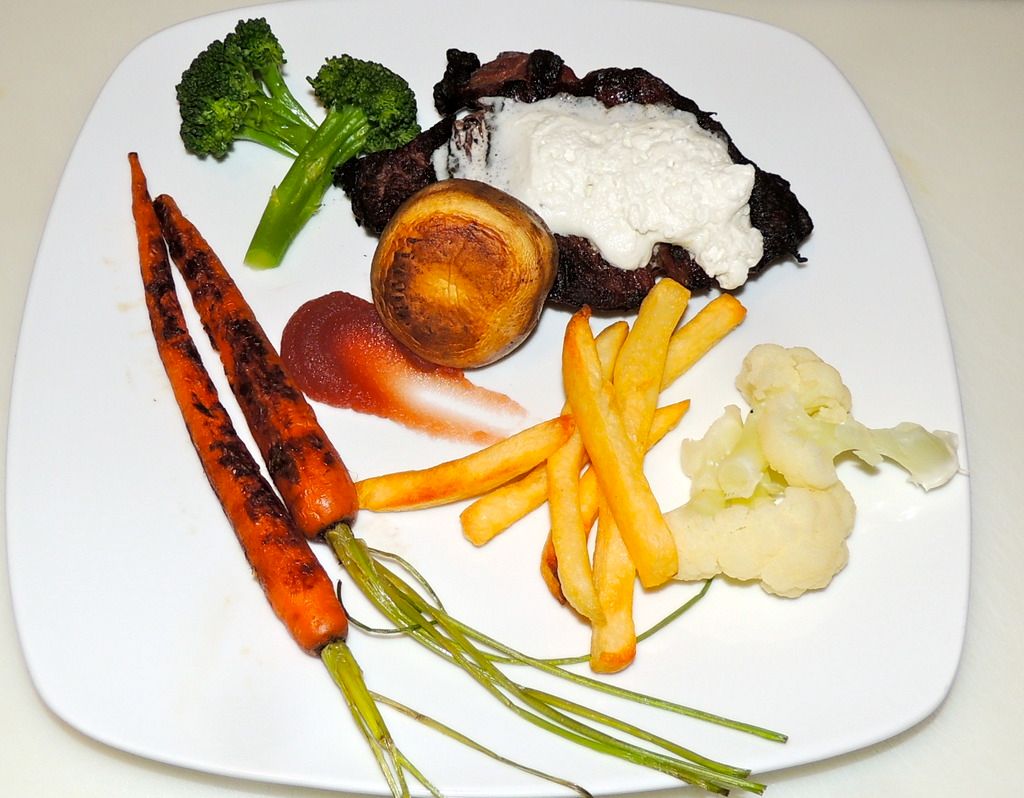 The blue cheese foam has a large advantage over a sauce. Cheese sauces are notoriously heavy while the foam is light, airy, and packed with blue cheese flavor. The port wine fluid gel has the properties of a liquid and a gel. It is also almost 100% port wine. A very fine port wine. A complete about face from the cheese foam. I've only begun to experiment in this area. It is fun and exciting. |
Posted By: gonefishin
Date Posted: 19 March 2015 at 11:18
Wow, thanks for sharing your adventures in gastronomy, graco! I agree with your statement that these dishes aren't lacking in flavor. Do you have any other input, or instruction on some of the methods that you have used? Love to see them! ------------- Enjoy The Food! |
Posted By: gracoman
Date Posted: 19 March 2015 at 12:22
|
The blue cheese foam and port wine fluid gel were my first experiments because they are easy. The foam was just blue cheese mixed into hot cream and sieved into a whipper. The fluid gel was just port wine heated with agar agar, left to set, cut into small cubes, blasted with an immersion blender and passed through a fine mesh sieve. I added more wine before serving to make it more fluid than gel. I took the free edX Harvard cooking course that was posted here which is what got me interested in molecular gastronomy. I just never did anything with it until now. I plan on playing around with this stuff quite a bit and would be happy to post my results. Good or bad |
Posted By: gracoman
Date Posted: 26 March 2015 at 20:18
|
Here's a neat little excursion into the art of molecular gastronomy that uses products that are available in any grocery store. Glass Potato Chips Seasoned With Smoked Maldon Salt http://s1293.photobucket.com/user/gracoman/media/Glass%20Potato%20Chip_zpsum5ljzbz.jpeg.html"> 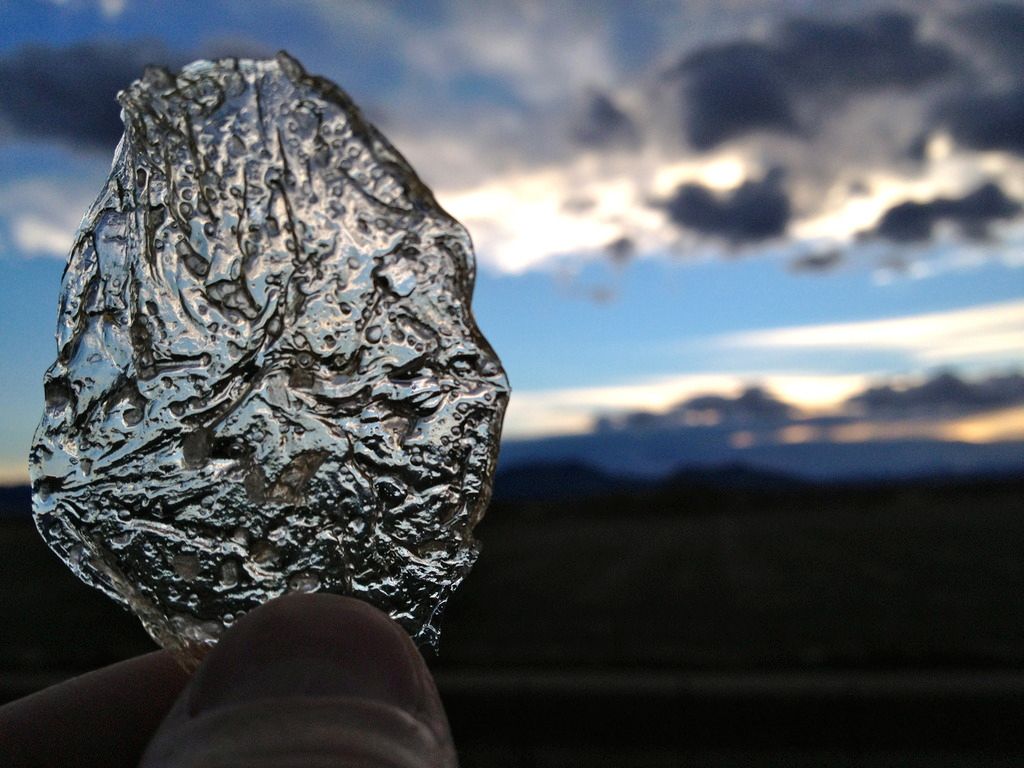 Served with onion soup foam http://s1293.photobucket.com/user/gracoman/media/Served%20with%20spiced%20onion%20foam%20dip_zpsmjlpt9el.jpg.html"> 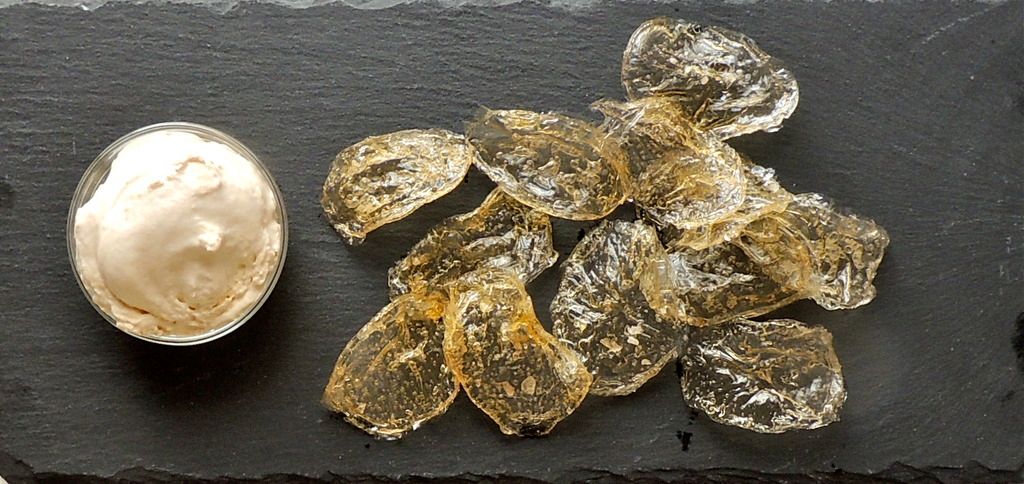 These are beyond awesome. Everybody served was laughing and could speak of nothing else. How cool is that. The original recipe as posted in The Vancouver Sun Hamid Salimian, Diva at the Met chef, serves the ‘glass’ potato chip as part of an amuse bouche. He puts a dab of creme fraiche on a plate or stone, tops it with chopped chives and finishes with a heap of rasped truffles and the glass potato. Baked Potato Stock 8 Yukon gold potatoes ½ cup of olive oil 1 tablespoon kosher salt 1 liter of hot water (95 C, not boiling) Wash the potatoes under cold water and dry with paper towel. Cut into the skin of each potato 1 cm. Toss the potatoes with ½ cup of olive and season with the salt. Bake for 25 minutes at 450 F. Remove from oven and place the baked potatoes in a bowl with 1 litre of hot water (95 C, slightly cooler than boiling temperature), cover it and let it sit at room temperature for 2 hours. Strain the mixture with a fine strainer, reserving the baked potato stock. Chill stock in preparation for next step. Baked Potato Gel 4 tablespoons potato starch 2 cups of baked potato stock Put chilled baked potato stock into a pot and whisk in the potato starch. Continue whisking the starch and stock together and bring it to boil, forming a gel. Remove from heat. Drying: Spread the potato gel on a sheet of parchment paper. The gel should be about 3 mm thick. Dry in the oven at 135 F for 2 hours until fully dry. Frying: Break the dried sheet into irregular pieces about the size of playing card. Fry these potato chips at 350 F until clear and crisp. Remove and place on paper towel, then season with kosher salt. I used a combination of the original recipe and http://www.instructables.com/id/Glass-Potato-Chips/?this%20one - this one . I dried these chips in my dehydrator set at 135°F overnight. 2 hours was a joke. Do not fry the chips in oil over 350°F or they will turn opaque. Some may find it difficult to find potato starch so I tried corn starch as a thickener. A corn starch thickened glass potato chip http://s1293.photobucket.com/user/gracoman/media/Corn%20starch%20glass%20potato%20chip_zpse7mese8x.jpg.html"> 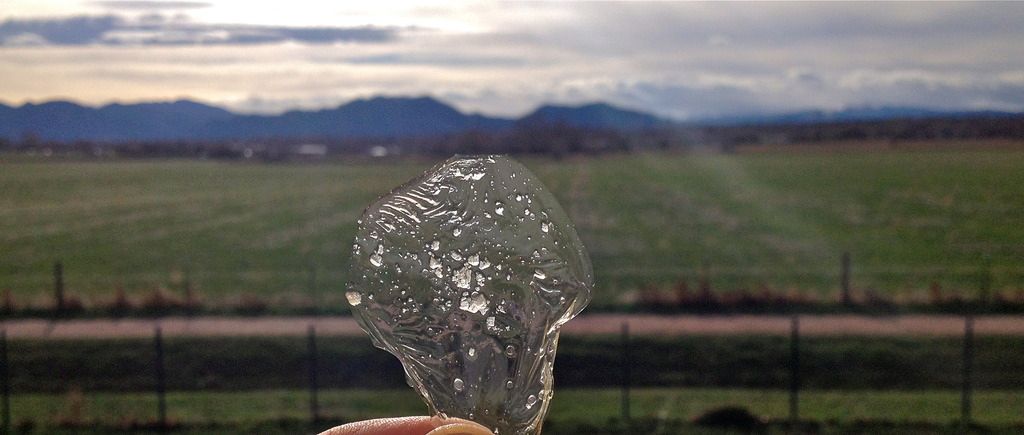 Served with the same onion soup foam http://s1293.photobucket.com/user/gracoman/media/Corn%20starch%20glass%20potato%20chips_zpskyi8jlo1.jpg.html">  The corn starch chips had less potato flavor and a bit of a popcorny thing going on which nobody noticed until I mentioned it. These chips make people smile |
Posted By: gonefishin
Date Posted: 27 March 2015 at 05:59
|
that is very odd indeed! I'll have to try it this summer! thanks for sharing! ------------- Enjoy The Food! |
Posted By: gracoman
Date Posted: 01 September 2015 at 13:04
|
I did a take on Heston Bleumanthal's famous egg and bacon ice cream served at his restaurant The Fat Duck. Caramelized brioche, candied bacon, and bacon and egg ice cream, sided with strawberry caviar, coffee with cream jelly, and extra dry champagne. This is a very rich dessert disguised as a breakfast of scrambled eggs, toast, and bacon. It takes 24 egg yolks and 1/2 pound of bacon to make 1 qt of this ice cream. It looks like scrambled eggs, smells and tastes just like bacon and eggs but it is sweet. https://www.youtube.com/watch?v=D6CLoRuvGcY - "It takes all expectations and turns them completely on their heads". This is very true. It is also one of the most memorable dishes of any sort that I have had the pleasure of sitting down to. The most important thing I took away from making this dish is the method of freezing ice cream which is far superior to any home ice cream freezer available. http://www.molecularrecipes.com/ice-cream-class/perfect-ice-cream-dry-ice/ - I used powdered dry ice to freeze the ice cream. It freezes so quickly ice crystals do not have a chance to form. The result is the smoothest, creamiest ice cream I have ever produced. I may never use my two different ice cream freezers again. http://s1293.photobucket.com/user/gracoman/media/Bacon%20and%20egg%20ice%20cream_zpsalh26ogx.jpg.html"> 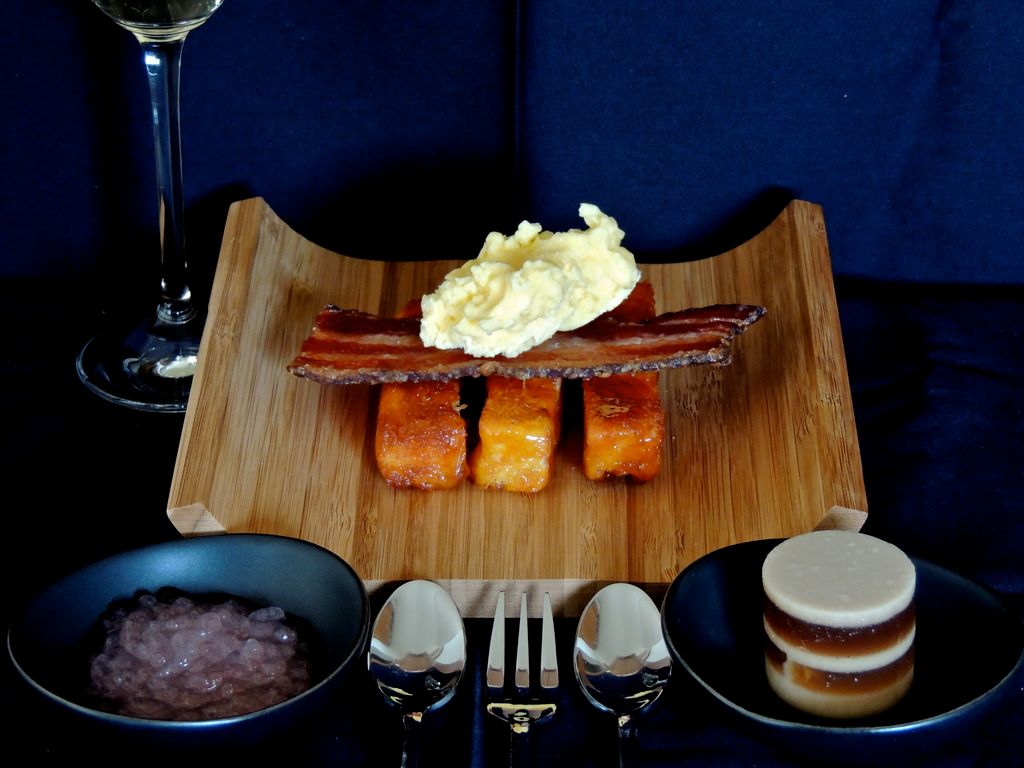 |
Posted By: gonefishin
Date Posted: 01 September 2015 at 15:46
|
Really interesting...looks and sounds delicious! Wonderful photo too! What do you have in the bottom left and right corners to go with the bacon and eggs? Stunning...I've got to give this a try ------------- Enjoy The Food! |
Posted By: gracoman
Date Posted: 01 September 2015 at 16:32
|
At the bottom left is the strawberry caviar. I wanted to add some freshness in a more dramatic way than sliced fruit. This one was a mistake. Not because the strawberry caviar was bad, it was lost to all of the strong flavors in the rest of the dish. At the bottom right is coffee with cream jelly. The original English recipe is served with tea jelly but we are on the coffee side of the pond. The cream layer is made with half and half mixed with coconut cream. The coffee layer is strong instant coffee. Both are sweetened then thickened with agar agar. The different layers are kept simmering while one is poured, left to set, and so on. The entire thing sets in the fridge in 4 hours. |
Posted By: Margi Cintrano
Date Posted: 01 September 2015 at 16:54
|
Gentlemen. Very fascinating posts indeed. I had eaten in El Bulli and at Heston´s Restaurant in Bray in 2010. Absolutely, impeccably spectacular experiences. I am a profesional restaurant reporter based now in Southern France and have recently translated a French author photographer´s book PDF in English. Paco Roncero is also quite a fascinating culinary artist involved with molecular cuisine. During 2010, Heston had done a Candyland dessert that was absolutely amazingly memorable as Chef Achatz and several others. Just fascinating - each & every post !! Thank you all .. Have a wonderful September .. ------------- Volamos a Mediterraneo, un paraiso que conquista su gente u su cocina. |
Posted By: gonefishin
Date Posted: 09 September 2015 at 14:50
|
I've been meaning to try this one. I have all the stuff...I just have to follow through with putting it together. The recipe is from oilab.info  Olive Oil Gummies Ingredients150g Extra virgin olive oil Directions
------------- Enjoy The Food! |
Posted By: gonefishin
Date Posted: 17 December 2015 at 15:05
I finally got around to making the Olive Oil Gummies. I used some really nice Spanish Olive Oil. These gummies conveyed a real nice flavor that was true to the Picual Olive Oil.  ------------- Enjoy The Food! |
Posted By: gracoman
Date Posted: 03 April 2018 at 12:21
|
I ran across this site some time ago. Apparently, making a food or foods with the appearance of another goes back at least as far as the Middle Ages. They were called illusion foods. "Illusion Foods filled the niche between everyday food & extravagant creations, and, quite importantly, usually with a touch of humor. In the Middle Ages they provided both needed sustenance & entertainment, which, just like today, is always a very good thing indeed." Serving a dish with the appearance of rotted meat isn't quite how we handle this today but it was a "thing" when real rotted meat was also a thing among other things  http://godecookery.com/illusion/illusion.html#001 - Illusion Foods |
Posted By: Margi Cintrano
Date Posted: 04 April 2018 at 03:43
|
The El Bulli Foundation ( Fundación El Bulli, now located in Barcelona ) has many kits available for sale .. Amazing concoctions .. You are quite an adventurer and conqueror ! All my best wishes .. ------------- Volamos a Mediterraneo, un paraiso que conquista su gente u su cocina. |